Last updated:
Saint Lucia vacation planning requires understanding this small but remarkable island destination. Located in the Lesser Antilles at coordinates 13.9094, -60.9789, Saint Lucia offers diverse experiences. The island covers 617 square kilometers with a population of 180,000 people. You'll find English and Saint Lucian Creole French spoken throughout. The East Caribbean dollar serves as the official currency here. Most visitors arrive through Hewanorra International Airport (UVF). The island features excellent scuba diving opportunities and stunning natural attractions.
Your Saint Lucia vacation planning process should start months in advance. The island welcomes visitors visa-free for tourism purposes for most nationalities. This makes entry straightforward and hassle-free. Planning ahead helps you secure better accommodations and activities. The timezone is America/St_Lucia, which matters for flight connections. Understanding the island's geography helps you organize your time effectively.
How Many Days Do You Need in Saint Lucia
Most visitors spend three to seven days on Saint Lucia. Three days allows you to see major highlights without rushing. You'll experience the main beaches, sample local food, and visit key attractions. Five days gives you breathing room to relax more. You can explore both the north and south regions thoroughly. Seven days lets you experience the island like a local. You'll have time for multiple adventures and rest days.
First-time visitors should plan at least four days here. This duration covers Pitons, beaches, and cultural experiences well. Couples planning a romantic getaway benefit from five to seven days. You can enjoy sunset dinners and private activities. Families with children thrive on five-day visits. Kids enjoy beach time, water activities, and short excursions. Budget travelers can explore meaningfully in three to four days. Focus on free beaches, local markets, and affordable dining spots.
Your energy level matters when deciding how long to stay. Relaxation seekers prefer seven or more days. Adventure enthusiasts accomplish much in four days. The rainy season from June to November is shorter and wetter. Plan accordingly based on your activity preferences and budget. Return visitors often spend longer exploring hidden areas. Weekend trips work for two to three days minimum.
7-Day Saint Lucia Itinerary

Day 1: Arrival and Castries Exploration
Arrive at Hewanorra International Airport and head north to Castries. Stop at Morne Fortune viewpoint for panoramic island views. Visit the Cathedral Basilica of the Immaculate Conception in downtown Castries. Explore the Diamond Falls Botanical Gardens near Soufrière. Have dinner at a local restaurant in Castries. Rest at your hotel and adjust to the timezone.
Day 2: Pitons and Soufrière
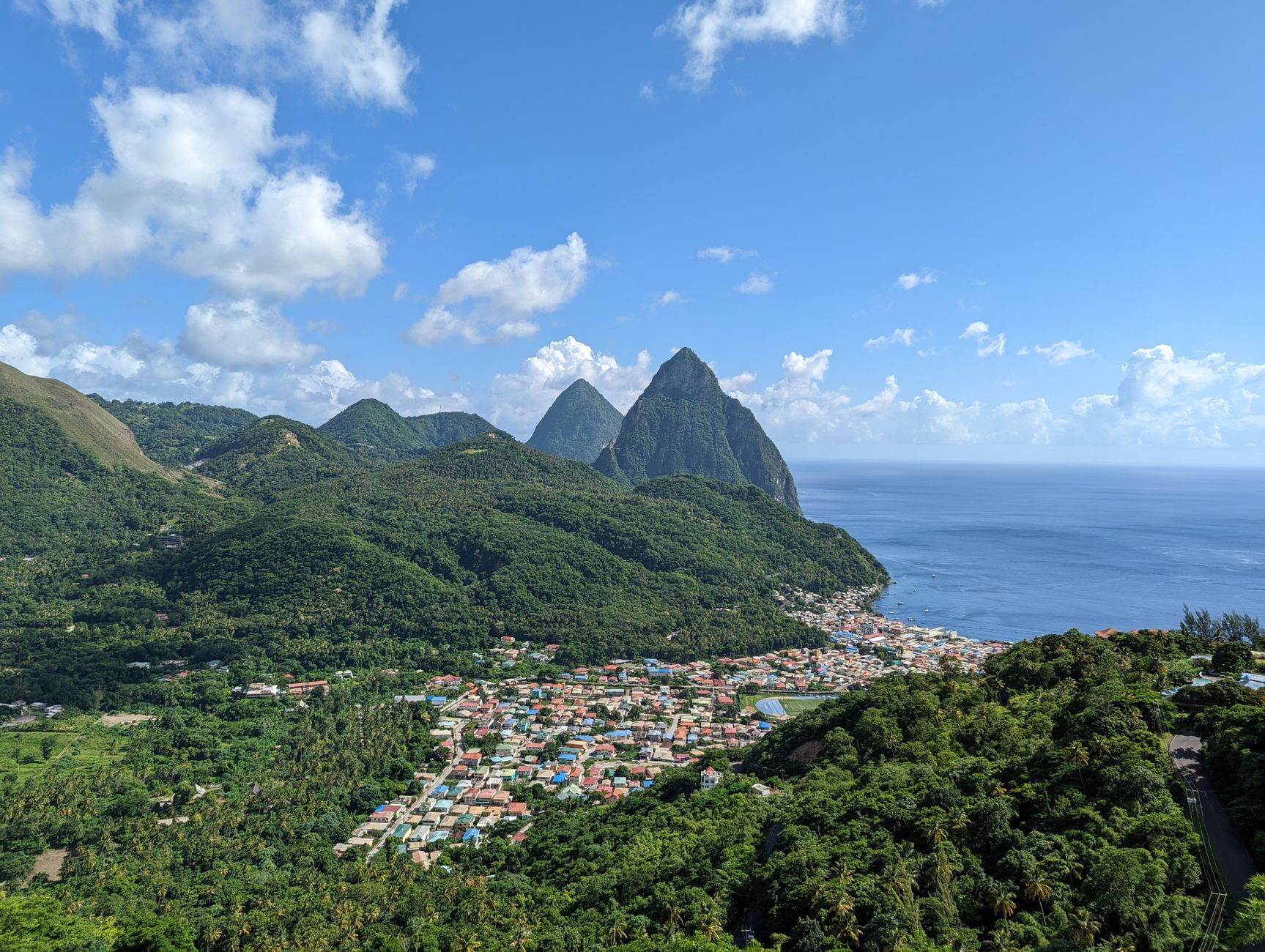
Drive to Soufrière on the island's southwest coast early. Visit the iconic Pitons, towering volcanic formations rising from the sea. Hike around the Pitons area for photographs and exercise. Explore Diamond Falls Mineral Baths, where you bathe in naturally heated water. The falls surround you with lush greenery. Have fresh seafood lunch in Soufrière town. Return north and enjoy sunset from your hotel.
Day 3: Beaches and Water Activities
Spend the day at Magens Bay or Anse Chastanet. Both beaches offer calm waters and soft sand. Try snorkeling at Anse Chastanet's coral reef. Rent snorkeling gear from local vendors near the beach. Look for tropical fish, sea turtles, and coral formations. Have a picnic lunch on the beach. Scuba diving enthusiasts should book guided dives with certified operators.
Day 4: Nature and Hiking
Visit Gros Piton trail for hiking and adventure. The hike takes three to four hours round trip. You'll climb 2,619 feet with rewarding views. Bring plenty of water and wear proper hiking shoes. Pack snacks for energy. Return downhill in late afternoon. Have an early dinner and rest well.
PRO TIP: Book your Pitons hike with local guides. They provide safety, knowledge, and share cultural stories. Guides cost around 50-60 XCD and enhance your experience greatly.
Day 5: North Island Exploration
Travel to the northern part of the island. Visit Pigeon Island National Park, a historic military site and nature reserve. Explore the ruins of military structures from colonial times. Walk marked trails through the park. Bird watchers see various tropical species here. Have lunch at the park's facilities. Visit Rodney Bay village for shopping and dining options.
Day 6: Water Sports and Beach Relaxation
Take a catamaran cruise along the coast. These cruises usually include snorkeling stops and lunch. You'll see dolphins, sea turtles, and fish. Relax on deck while enjoying refreshments. Return to shore in late afternoon. Enjoy a spa treatment or massage at your hotel. Have a special dinner experience.
Day 7: Local Culture and Departure Prep
Visit local markets like Castries Market for authentic Caribbean goods. Buy fresh fruits, spices, and handmade crafts. Talk with vendors about local life. Try street food like fish cakes and roti. Pack your belongings and prepare for departure. Head to the airport with happy memories and new experiences.
3-Day Saint Lucia Itinerary
Day 1: Southern Highlights
Arrive at Hewanorra International Airport and rent a car. Head directly to Soufrière on the island's southwest coast. Stop at Morne Fortune viewpoint for orientation. Visit the Pitons, the island's most iconic landmark. Spend two hours exploring the Pitons area. Have lunch at a local restaurant in Soufrière. Return to your accommodation in Castries or Rodney Bay area.
Day 2: Beaches and Snorkeling
Dedicate this day to water activities. Go to Anse Chastanet Beach, famous for snorkeling. Rent snorkeling equipment and explore the reef. Look for colorful fish and coral. Pack a picnic or eat at beach restaurants. Visit Magens Bay in the afternoon if time permits. Relax as the sun sets over the Caribbean Sea.
Day 3: Nature and Departure
Visit Pigeon Island National Park in the morning. Walk the trails and enjoy ocean views. Learn about the island's military history. Return to Castries for lunch and shopping. Visit Castries Market for souvenirs and local crafts. Head to the airport for your departure flight. Take memories of adventure and natural beauty home with you.
PRO TIP: Rent a car for three days to maximize independence. You'll reach attractions at your own pace without tour group schedules. Rental companies operate near Hewanorra International Airport.
Saint Lucia Vacation Planning Budget Guide
Budget travelers can visit Saint Lucia on 40 to 60 XCD per day. Mid-range travelers should plan 75 to 150 XCD daily. Luxury visitors spend 150+ XCD per day without concern. Exchange rates fluctuate, so check current rates before traveling. The East Caribbean dollar typically exchanges at favorable rates.
Accommodation Costs
Budget hotels and guesthouses cost 50 to 80 XCD per night. Mid-range hotels run 100 to 200 XCD nightly. Luxury resorts exceed 250 XCD per night significantly. Airbnb options offer competitive pricing for families. Book in advance during peak months for better rates.
Food and Dining
Street food and local restaurants serve meals for 15 to 30 XCD. Mid-range dining costs 40 to 80 XCD per person. Fine dining restaurants charge 100+ XCD per entree. Fresh fish, roti, and rice and beans are affordable staples. Supermarkets offer self-catering options for families.
Activities and Transportation
Beaches are completely free to access and use. Pigeon Island National Park costs about 10 XCD admission. Car rentals cost 50 to 100 XCD daily. Guided tours range from 50 to 150 XCD per person. Scuba diving costs 75 to 150 XCD per dive.
Best Time To Book Your Saint Lucia Trip
Book your trip three to six months in advance ideally. This timing secures better hotel rates and flight prices. The best months to visit are December through May. These months have dry weather and comfortable temperatures. January and February attract the most visitors. Prices peak during these weeks. Book earlier if traveling during Christmas and New Year holidays.
The shoulder seasons (April and May) offer value. You'll find fewer crowds and slightly lower prices. Weather remains pleasant and stable. June through November is the off-season. Rain increases significantly during these months. Prices drop considerably for budget-conscious travelers. Hurricane season technically runs June to November. Direct hits remain rare, though rain happens frequently.
Consider your budget when timing your booking. Peak season (December to February) costs 20 to 40 percent more. Mid-season (March to May) offers middle-ground pricing. Low season provides the best deals but wet weather. Book flights immediately once you select dates. Hotels and activities can be booked closer to travel dates.
PRO TIP: Set up flight price alerts eight weeks before your target dates. Compare multiple airlines and booking sites. Tuesday and Wednesday flights often cost less than weekend departures.
Packing List for Saint Lucia

Clothing and Footwear
- Light, breathable cotton clothing (5 to 7 shirts)
- Shorts and lightweight pants (3 to 4 pairs)
- One or two long-sleeve shirts for sun protection
- Lightweight rain jacket or poncho
- Swimsuits (2 to 3 sets for drying time)
- Flip-flops or sandals (2 pairs)
- Comfortable walking shoes (1 pair)
- Hiking boots if planning trail walks
- Casual evening outfit for dinner
- Lightweight scarf or shawl
Health and Safety Items
- High SPF sunscreen (SPF 50+)
- Insect repellent with DEET
- Any prescription medications needed
- Basic first aid supplies (bandages, pain relievers)
- Antihistamine for allergic reactions
- Dehydration salts or electrolyte drinks
- Aloe vera gel for sunburns
- Any personal health monitoring devices
Beach and Water Items
- Snorkeling gear (mask, fins, snorkel) optional
- Underwater camera or GoPro for memories
- Waterproof phone case or bag
- Beach towel (hotels provide one, bring extras)
- Water shoes for rocky areas
- Rash guard for sun protection while swimming
Travel Documents and Electronics
- Valid passport (6+ months validity)
- Travel insurance documents
- Airline tickets and confirmation numbers
- Hotel reservations and contact information
- Phone charger and power adapter
- Portable power bank
- Travel-size laundry detergent
- Copies of important documents (digital backup)
Toiletries and Personal Care
- Toothbrush and toothpaste
- Deodorant
- Shampoo and conditioner (travel sizes)
- Body wash or soap
- Face wash and moisturizer
- Hair brush or comb
- Feminine hygiene products if needed
- Nail clippers and tweezers
Optional Items for Enhanced Experience
- Binoculars for bird watching
- Lightweight notebook and pen
- Travel guidebook or printed maps
- Lightweight backpack for day trips
- Reusable water bottle
- Snacks from home if you have dietary restrictions
Frequently Asked Questions
1. Do I need a passport to visit Saint Lucia?
Yes, you need a valid passport to enter Saint Lucia. Your passport must be valid for the duration of your stay. Most nationalities can enter visa-free for tourism purposes. Your stay is typically limited to six weeks or less. Check with your country's embassy for specific requirements. Ensure your passport has at least six months remaining validity. International travel requires this documentation from all visitors.
2. What is the best month to visit Saint Lucia?
The best months are December through May. These months offer dry weather and stable temperatures around 27.2°C. January and February are the driest but busiest months. Prices peak during this period significantly. April and May provide good weather with fewer crowds. These shoulder months offer excellent value for budget travelers. Avoid June through November due to frequent rain. Hurricane season technically includes these months, though direct hits are rare.
3. How much money should I bring for my trip?
Daily spending depends on your travel style and preferences. Budget travelers need 40 to 60 XCD per day. Mid-range visitors should budget 75 to 150 XCD daily. Luxury travelers spend 150+ XCD without concern. Accommodation is your largest expense category. Food and activities are relatively affordable. Bring extra money for emergencies and unexpected expenses. Credit cards work at most hotels and restaurants. ATMs are available in Castries and major towns.
4. Is scuba diving available for beginners on Saint Lucia?
Yes, Saint Lucia offers excellent scuba diving for all levels. Many dive operators provide beginner certification courses. Instructors teach in safe, shallow water environments. Popular dive sites include Anse Chastanet and Soufrière area reefs. You'll see colorful fish, coral formations, and marine life. Certification courses typically cost 75 to 150 XCD per dive. Certified divers pay similar prices for guided dives. Always dive with certified operators for safety.
5. What should I know about getting around Saint Lucia?
Renting a car provides the most flexibility and independence. Car rental companies operate near Hewanorra International Airport. Daily rentals cost 50 to 100 XCD. Public minibus transportation is very affordable but less predictable. Taxis are available but negotiate fares beforehand. Most roads are paved and well-maintained. Drive on the left side of the road here. GPS or offline maps help with navigation. Most visitors successfully drive on the island without major issues.