Last updated:
Saint Lucia Best Time To Visit: an Overview
Finding the Saint Lucia best time to visit depends on what matters most to you. This island in the Lesser Antilles offers year-round warmth and tropical beauty. However, weather patterns, crowds, and prices shift throughout the year significantly.
Saint Lucia sits at coordinates 13.9094, -60.9789 in the Caribbean. The island covers 617 km² and welcomes about 180,000 residents. English and Saint Lucian Creole French are spoken here. The local currency is the East Caribbean dollar (XCD).
You can enter Saint Lucia visa-free as a tourist from most countries. Stay limits vary by nationality. The timezone is America/St_Lucia. Hewanorra International Airport (UVF) is your main entry point.
The island experiences warm weather consistently. Average temperatures hover around 27.2°C year-round. Rain patterns create distinct seasons. Understanding these patterns helps you choose the perfect timing for your trip.
Saint Lucia Weather by Month
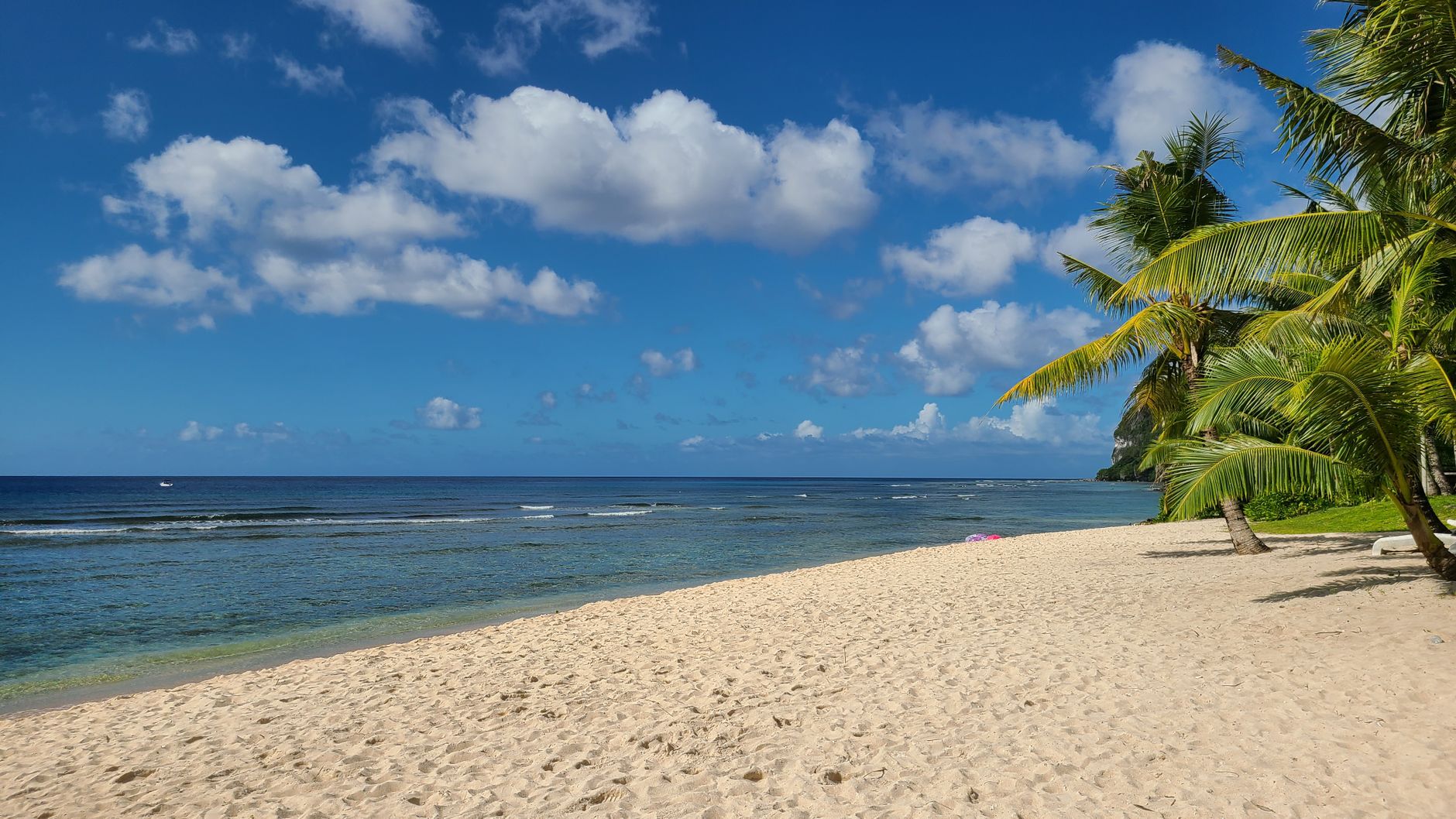
December through April brings the driest conditions. December averages about 2 inches of rain for the entire month. January stays equally dry with minimal precipitation. February and March continue this trend with reliable sunshine.
April still maintains dry weather, though moisture begins increasing slightly. May marks the transition month. Rainfall increases but doesn't dominate every day.
June through November is the wet season. June brings moderate rain with occasional heavy downpours. July and August see increased rainfall but also more humidity. September and October are the wettest months overall.
Hurricane season officially runs June through November. Saint Lucia sits south of the main hurricane belt, so direct hits are rare. Tropical storms pass nearby occasionally. November marks the end of the rainy season with decreasing rainfall.
Temperature remains consistent throughout the year at approximately 27.2°C. The real difference between seasons is rainfall amount, not heat. Trade winds blow constantly, providing natural cooling. Humidity varies with rainfall patterns.
PRO TIP: Check specific daily forecasts before booking. Even dry season months occasionally get rainy days. Afternoon showers are common but brief during the dry season.
Peak Season in Saint Lucia
December through April is peak season on Saint Lucia. Hotels fill up quickly during these months. Prices increase significantly compared to other times. Popular beaches get crowded, especially on weekends.
December brings holiday travelers escaping winter weather. January continues the rush as families vacation during school breaks. February and March maintain strong visitor numbers. April marks the tail end of peak season with slightly fewer crowds.
Why do travelers choose these months? The weather is nearly perfect. Rain is minimal. Sunshine is reliable. You can plan beach days with confidence. Water temperatures stay warm for swimming and diving.
Advantages of peak season: All attractions operate at full capacity. food-Restaurants and shops have extended hours. Entertainment options are abundant. Cultural events happen frequently. You'll meet other travelers from worldwide.
Disadvantages of peak season: You'll pay premium prices for accommodations. Popular spots become crowded. Reservations are essential everywhere. The island feels busier overall. Beaches are more crowded than usual.
Book accommodations at least two months ahead for peak season. Reserve restaurant tables in advance at popular spots. Arrive early at popular beaches to find good spots. Consider visiting famous attractions on weekday mornings.
PRO TIP: If you must visit during peak season, stay Sunday through Thursday for fewer crowds. Weekends are much busier. Many hotels offer discounts for mid-week stays during this period.
Shoulder Season: Best Value

May and November are shoulder season months. These periods fall between peak and rainy seasons. Weather is generally good but not guaranteed dry. Prices drop significantly compared to peak season.
May offers an excellent value option. The first half of May stays quite dry. Crowds are minimal. Hotels reduce rates by 20 to 40 percent. Restaurants are less crowded. You can explore the island at a relaxed pace.
May disadvantages include slightly increased rainfall probability. Afternoon showers occur more frequently than in peak season. Humidity increases compared to winter months. Some smaller attractions may have reduced hours.
November works well for adventurous travelers. Early November still feels rainy from October. By late November, conditions improve significantly. This month marks the rainy season's end. Weather becomes drier as the month progresses.
November advantages include excellent prices and fewer tourists. Many accommodations offer packages and discounts. You'll experience Saint Lucia like locals do. The island feels authentic rather than commercialized. Water remains warm for swimming and diving.
November disadvantages include unpredictable weather. Rain can occur any day. Some outdoor activities may be cancelled. Plan indoor backup activities. Check daily forecasts constantly. The rainy season officially ends this month but transitions gradually.
Shoulder season suits travelers who want affordability without extreme weather risks. You save significantly on hotels and dining. Beaches are much less crowded. The tourist experience feels more genuine. Book one to two weeks ahead instead of months.
Rainy Season in Saint Lucia
June through October is the rainy season. Rain falls frequently but not continuously. Most days include sunny periods between showers. Brief afternoon rainstorms are typical.
June marks rainy season's beginning. Rain increases gradually through the month. July and August bring consistent precipitation. September and October are the wettest months. Humidity levels rise significantly.
Rainfall patterns: Mornings often stay dry with sunshine. Afternoon showers develop regularly. Some days stay completely dry. Heavy downpours last 30 minutes to an hour. Rain stops as quickly as it begins.
Hurricane season runs June through November, but Saint Lucia rarely experiences direct hits. The island sits south of the main hurricane belt. Tropical storms pass occasionally but seldom cause significant damage. Weather service monitors conditions constantly. Tourist infrastructure is well-prepared for storms.
Advantages of rainy season: Hotel rates drop 40 to 60 percent. Crowds disappear dramatically. Attractions feel uncrowded. You'll save substantial money. Nature is lush and green. Waterfalls flow with more water. Swimming in natural pools is refreshing.
Disadvantages of rainy season: Outdoor plans may change. Some water activities close temporarily. Visibility for diving decreases. Beaches can feel empty. Humidity makes the heat feel more intense. Some travelers find constant moisture uncomfortable.
Pack waterproof gear if visiting during rainy season. Bring a lightweight rain jacket. Quick-drying clothes are practical. Choose waterproof bags for electronics. Plan indoor activities as backups. Embrace the rain as part of the authentic experience.
PRO TIP: Rainy season is actually perfect for exploring rainforests and hiking. Trails are lush. Waterfalls are powerful. Fewer hikers are on the trails. The island's natural beauty shines during this season.
Best Time To Visit Saint Lucia for Families
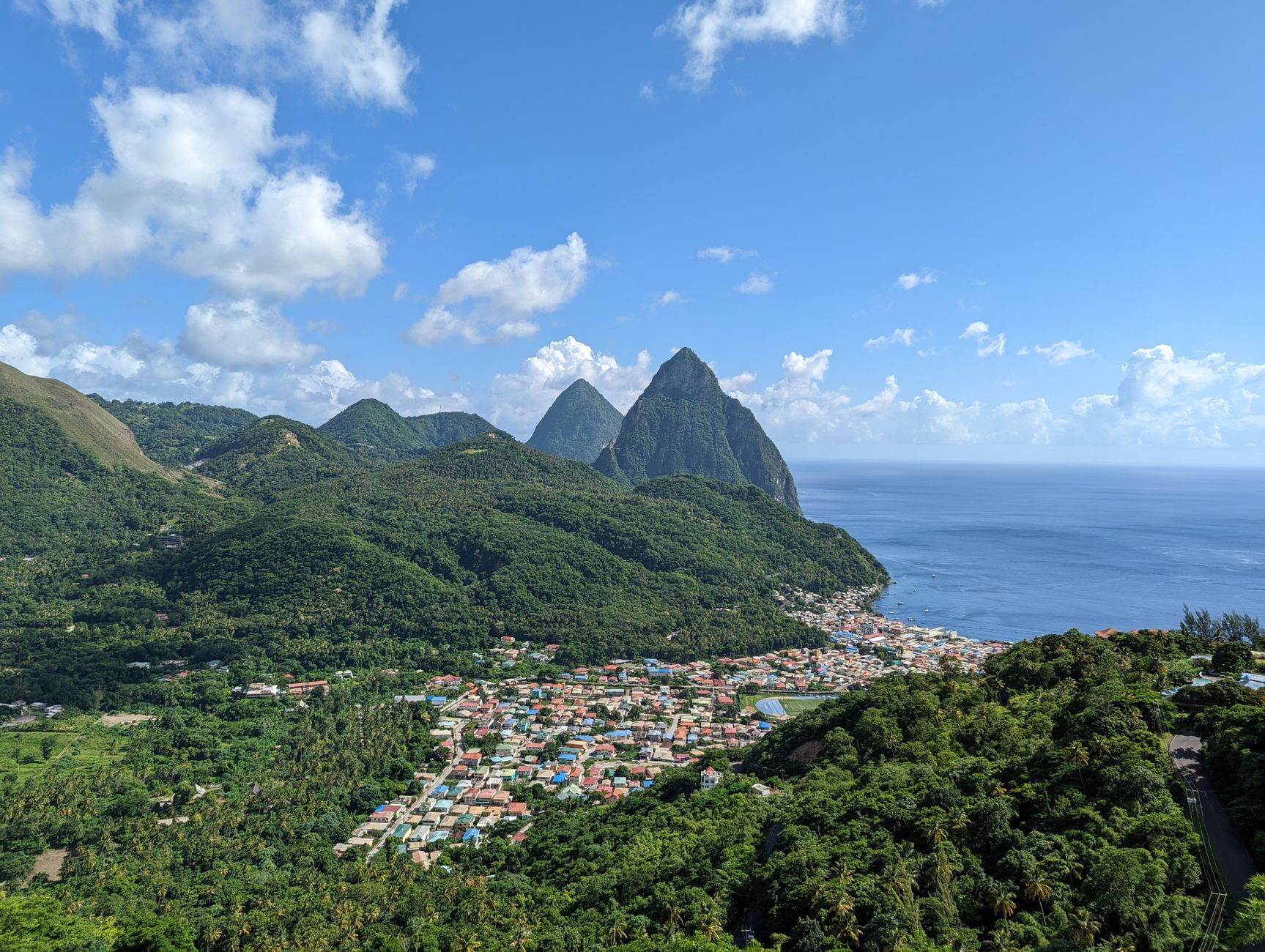
December through April offers the best family experience. School breaks align with peak season. Children enjoy consistent sunshine and calm seas. Beach days are predictable and enjoyable.
December brings family holiday breaks. January continues school vacations. February and March work for spring breaks. April suits families taking extended trips. Weather reliability makes planning easier with kids.
Family advantages: Calm water is safe for children. Sunny weather means full days outdoors. All attractions operate at full capacity. Kids' activities are abundant. Extended daylight lets families enjoy more each day.
Family considerations: Peak season is crowded. Hotels and restaurants are full. Prices are highest during these months. Popular beaches have many people. Noise levels increase at accommodations.
Activities for families: Pitons Bay offers calm swimming. Anse des Pitons has beautiful scenery. Morne Fortune provides panoramic views from short hikes. Diamond Falls Botanical Gardens features easy walks. Pigeon Island National Park offers beaches and history.
Pack child-friendly essentials. Bring high SPF sunscreen. Pack hats and lightweight clothing. Include motion sickness remedies for boat trips. Pack snacks children enjoy. Include medications in original bottles.
Accommodation tips: Choose hotels with kids' clubs. Select properties with pool facilities. Book all-inclusive options to simplify planning. Pick family-friendly restaurants ahead of time. Choose accommodations near beaches.
May works for adventurous families. Weather is mostly good. Crowds decrease significantly. Prices drop notably. Rain risks increase but afternoon showers are brief. Consider this option if you're flexible with weather.
Best Time To Visit Saint Lucia for Diving
December through April provides the best diving conditions. Water visibility reaches 60 to 100 feet. Light winds create calm seas. Water temperatures stay warm at approximately 27°C. These months offer perfect diving weather.
Saint Lucia has excellent scuba diving. Coral reefs thrive along the coast. Wreck dives are available. Fish populations are abundant. Marine life viewing is spectacular.
Top diving sites: Anse Chastanet features shallow reefs. Diamond Falls offers diverse marine life. Piton Bay has calm protected waters. Jalousie Bay has deep drop-offs. Superman's Flight features deep walls.
Dive operators work from Anse Chastanet primarily. Multiple shops provide rental equipment. Certifications courses are available. Most operators offer two-tank dives daily. Night dives happen several times weekly.
May diving: Water visibility starts declining. Occasional rough seas occur. Temperatures stay comfortable. Fewer divers visit. Equipment availability is easier. Prices drop slightly.
Rainy season diving (June to October): Water visibility decreases to 40 to 60 feet. Heavy rainfall reduces visibility further. Some sites close occasionally. Water stays warm. Prices drop significantly. Fewer divers compete for spots.
November diving improves gradually. Early November stays murky. Late November visibility improves. Water remains warm. Prices are still reasonable. Crowds are minimal.
Practical diving information: Bring dive certification cards. Book dives through your accommodation. Arrange transportation to dive shops beforehand. Plan dives for morning hours when visibility is best. Eat light meals before diving.
Bring your own equipment if you prefer. Rental equipment is available but pricey. Wetsuits are 3mm thickness year-round. Bring dive logs for certification verification. Consider supplementary dive insurance.
Frequently Asked Questions

When Is Hurricane Season on Saint Lucia?
Hurricane season officially runs from June through November on Saint Lucia. However, the island sits south of the main hurricane belt, so direct hurricane hits are extremely rare. Tropical storms occasionally pass nearby, but severe damage is uncommon. The island has well-developed weather monitoring systems. Tourist infrastructure is well-prepared for tropical weather. Travel insurance that covers weather events is recommended. Monitor local weather forecasts before and during your trip. Most storms pass quickly without significant impact on tourism activities.
Is May a Good Time To Visit Saint Lucia?
May is an excellent value option for visiting Saint Lucia. Weather is mostly dry, especially in early May. Hotel rates drop 20 to 40 percent below peak season prices. Crowds decrease noticeably throughout the month. Restaurants and attractions are less busy. The main disadvantage is increased rainfall probability compared to peak season months. Afternoon showers occur more frequently. Humidity begins rising. Some smaller attractions may have reduced hours. Overall, May works well for budget-conscious travelers who don't mind occasional rain.
What Should I Pack for Visiting During the Rainy Season?
Pack waterproof essentials for rainy season visits. Bring a lightweight, packable rain jacket. Include quick-drying clothing made from synthetic materials. Pack waterproof bags for electronics and valuables. Bring waterproof phone cases. Include an extra pair of shoes that dry quickly. Wear quick-dry sandals. Pack a compact umbrella for convenience. Bring extra socks for when feet get wet. Include moisture-absorbing products for bags. Wear breathable, moisture-wicking fabrics. Light layers work better than heavy clothing. The rain is warm, so waterproof gear stays light and packable.
Is November a Good Time To Visit Saint Lucia?
November is a solid shoulder season choice for visiting Saint Lucia. Early November tends to stay rainy from October transitions. By late November, weather improves significantly. Rainfall decreases substantially as the month progresses. Hotel prices drop 30 to 50 percent below peak season rates. Tourist crowds are minimal. The island feels more authentic and less commercialized. Restaurant reservations are easier to obtain. Disadvantages include unpredictable weather and occasional rain. Some smaller attractions may have limited hours. Weather improves noticeably toward month's end, making late November ideal.
What Is the Warmest Month in Saint Lucia?
Saint Lucia maintains consistent warm temperatures year-round, averaging approximately 27.2°C. The warmest months are typically August and September during the height of the rainy season. However, temperature differences throughout the year are minimal. Peak season months (December through April) feel comfortable with trade winds providing natural cooling. Humidity levels increase during rainy season months, making the heat feel more intense. Water temperatures remain warm for swimming and diving year-round. The real seasonal difference is rainfall patterns, not temperature. Lightweight, breathable clothing works year-round. Sun protection is essential regardless of season.