allisles.com
Saint Lucia
allisles.com
Saint Lucia
Saint Lucia: Complete Caribbean Travel Guide
Visa Free
Last updated:
Quick Facts
- Visa Required: No (visa free for most nationalities)
- Currency: East Caribbean dollar (XCD)
- Languages: English, Saint Lucian Creole French
- Best Months: December, January, February, March, April, May
- Average Temperature: 27.2°C (81°F)
- Location: Lesser Antilles, Caribbean
- Coordinates: 13.9094, -60.9789
- Nearest Airport: Hewanorra International Airport (UVF)
- Area: 617 km²
- Population: 180,000
About Saint Lucia
Saint Lucia sits in the Lesser Antilles, a chain of Caribbean islands stretching from Puerto Rico to South America. This island spans 617 square kilometers with a population of around 180,000 people. The capital city, Castries, serves as the main hub for tourism and business on the island.
Two volcanic peaks dominate the southern coastline: the Pitons. These UNESCO World Heritage Sites reach nearly 800 meters into the sky. Locals call them Gros Piton and Petit Piton. The Pitons appear on the national flag and represent the island's natural character. Visitors come from worldwide to see these iconic landmarks.
The island's culture blends African, French, and British influences. This unique mix shows in the language, food, music, and festivals throughout Saint Lucia. English remains the official language, but many locals speak French Creole daily. You will hear both languages in markets, restaurants, and on streets throughout the island.
Saint Lucia overview reveals an island with lush green mountains, volcanic beaches, and warm tropical weather year-round. The terrain rises sharply from the coast to highlands covered in rainforest. Banana plantations and cocoa farms dot the hillsides. Natural hot springs and sulfur springs exist in the southern region near Soufrière. The island receives plenty of rainfall, keeping vegetation vibrant and green.
Geography and Climate
The island's geography creates diverse environments for travelers to explore. The western coast features calm waters and sheltered bays perfect for sailing. The eastern coast faces Atlantic winds and rougher seas. Mountains run north to south, creating pockets of different weather patterns across the island.
Rain showers come frequently but usually last only minutes. The dry season runs from December through May. These months offer the best weather for beach time and outdoor activities. Humidity remains high throughout the year due to tropical location. Pack light, breathable clothing regardless of season.
Local Culture and Community
Saint Lucia celebrates its heritage through festivals and events year-round. Carnival takes place before Lent with parades, music, and dancing. Jazz Festival happens in May with performances from world-class musicians. Creole Day in October celebrates local language and traditions.
The people of Saint Lucia welcome visitors warmly and genuinely. Locals take pride in their island and enjoy sharing their culture. Markets overflow with fresh tropical fruits, vegetables, and spices. Local artisans sell handmade crafts, jewelry, and art throughout the island.
PRO TIP: Learn a few phrases in Saint Lucian Creole French. Locals appreciate when visitors make the effort to speak their language. Simple greetings like "Bonjou" (hello) and "Merci" (thank you) go a long way in gaining local respect.
Why Visit Saint Lucia

Best forcouplesfamiliesluxury travelersadventure seekers
Saint Lucia offers something special for every type of traveler. The island combines natural beauty, adventure activities, and relaxation in one destination. Whether you want to hike, dive, relax on beaches, or explore local culture, Saint Lucia delivers.
The Pitons create one of the most photographed landscapes in the Caribbean. Hiking to viewpoints rewards you with stunning vistas of the island and ocean. Snorkeling and diving spots feature coral reefs and tropical fish. The Soufrière area offers unique experiences like mud baths and natural hot springs.
Saint Lucia has excellent resorts ranging from luxury properties to budget-friendly guesthouses. Many resorts sit directly on beaches with water sports facilities. Local restaurants serve authentic Creole cuisine using fresh island ingredients. The island blends modern tourist infrastructure with authentic Caribbean charm.
Scuba diving ranks as a major draw for underwater enthusiasts. The island's reefs remain healthy and vibrant. Divers encounter sea turtles, rays, and colorful fish regularly. Multiple dive operators run trips from Castries and Soufrière. Both beginners and advanced divers find suitable dive sites throughout the island.
Waterfalls dot the island, with several accessible by hiking or boat tours. Diamond Falls near Soufrière features a waterfall that flows through mineral-rich water. The falls cascade into a natural pool surrounded by botanical gardens. Edmund's Hot Springs provides another unique natural attraction with warm mineral water pools.
Adventure and Outdoor Activities
Hiking trails range from easy coastal walks to challenging mountain treks. The Pitons Interpretive Centre near Soufrière provides guided hikes to viewpoints. The Morne Fortune trail near Castries offers panoramic views of the western coast. Many trails pass through active agricultural areas where you see banana and cocoa farms.
Water sports enthusiasts enjoy excellent conditions year-round. Sailing charters depart daily from Castries and Rodney Bay. Windsurfing works well on the eastern coast. Fishing trips target wahoo, mahi-mahi, and kingfish. Kayaking through mangrove areas reveals birds and wildlife.
Beach and Resort Experiences
Reduit Beach near Rodney Bay stretches for nearly two kilometers. This popular beach has calm water, white sand, and plenty of amenities. Anse Chastanet Beach sits directly below the Pitons with black sand and excellent snorkeling. Anse des Pitons offers a quieter alternative with dramatic scenery.
Beach bars and restaurants line popular shores, serving cold drinks and local food. Many beaches have lifeguards and water sports rental facilities. The western coast beaches generally have calmer water than eastern beaches.
PRO TIP: Arrive at beaches early to secure parking and the best spots. Popular beaches get crowded by mid-morning, especially on weekends. Eastern beaches work better for experienced swimmers due to stronger currents.
Saint Lucia for Families
Best forfamilies with young childrenmulti-generational groups
Families find Saint Lucia welcoming and well-equipped for young travelers. The island offers activities suitable for different age groups. Beaches provide safe swimming areas with supervision. Resorts often have kids' clubs and family activities included.
Pigeon Island National Park sits on the northwestern tip of the island. A causeway connects the island to the mainland. Families enjoy easy hiking trails, beautiful beaches, and historical ruins. The park has picnic areas and basic facilities. Entry fees apply but remain affordable for families.
The Marigot Bay area offers calm water perfect for families with small children. Glass-bottom boat tours let kids see fish and coral without getting wet. Catamaran cruises depart regularly with activities for children. Many include stops at snorkeling spots with calm, shallow areas.
Local markets teach children about island culture and fresh produce. Kids enjoy sampling tropical fruits they have never seen before. Colorful stalls, friendly vendors, and exciting sights engage young travelers. Markets close by early afternoon, so visit in the morning.
Kid-Friendly Attractions and Activities
The Pitons Park offers family-friendly activities beyond hiking. Scuba certification courses accept children as young as eight years old. Junior divers learn alongside experienced instructors in shallow water. This creates lasting memories and teaches respect for the ocean environment.
Zip-lining through rainforest canopy appeals to older children and teens. Multiple operators offer courses with different difficulty levels. Safety equipment and trained guides ensure child safety. Most tours last two to three hours.
Morne Fortune gardens provide gentle walking paths through exotic plants and flowers. Local guides explain the plants and their uses. Viewpoints offer photo opportunities of Castries harbor below. The botanical setting keeps children engaged and entertained.
Beach time dominates family days in Saint Lucia. Shallow areas at Reduit Beach and Rodney Bay provide safe swimming. Kids enjoy building sandcastles while parents relax. Many beaches have amenities like changing rooms and restaurants nearby.
Family-Friendly Accommodations and Dining
All-inclusive resorts simplify family vacations by including meals and activities. Properties like Coconut Bay Resort and Club Med cater specifically to families. These resorts offer supervised activities, entertainment, and restaurants with child-friendly menus.
Guesthouses and villa rentals provide kitchen facilities for families with young children. This allows preparation of familiar meals at lower costs than eating out constantly. Local supermarkets stock most foods you might need.
Restaurants throughout the island accommodate families with early dining times. Many establishments offer high chairs and children's menus. Creole restaurants serve mild dishes suitable for young palates alongside spicy traditional fare.
Saint Lucia for Couples
Best forhoneymoonersromantic getawaysluxury travelers
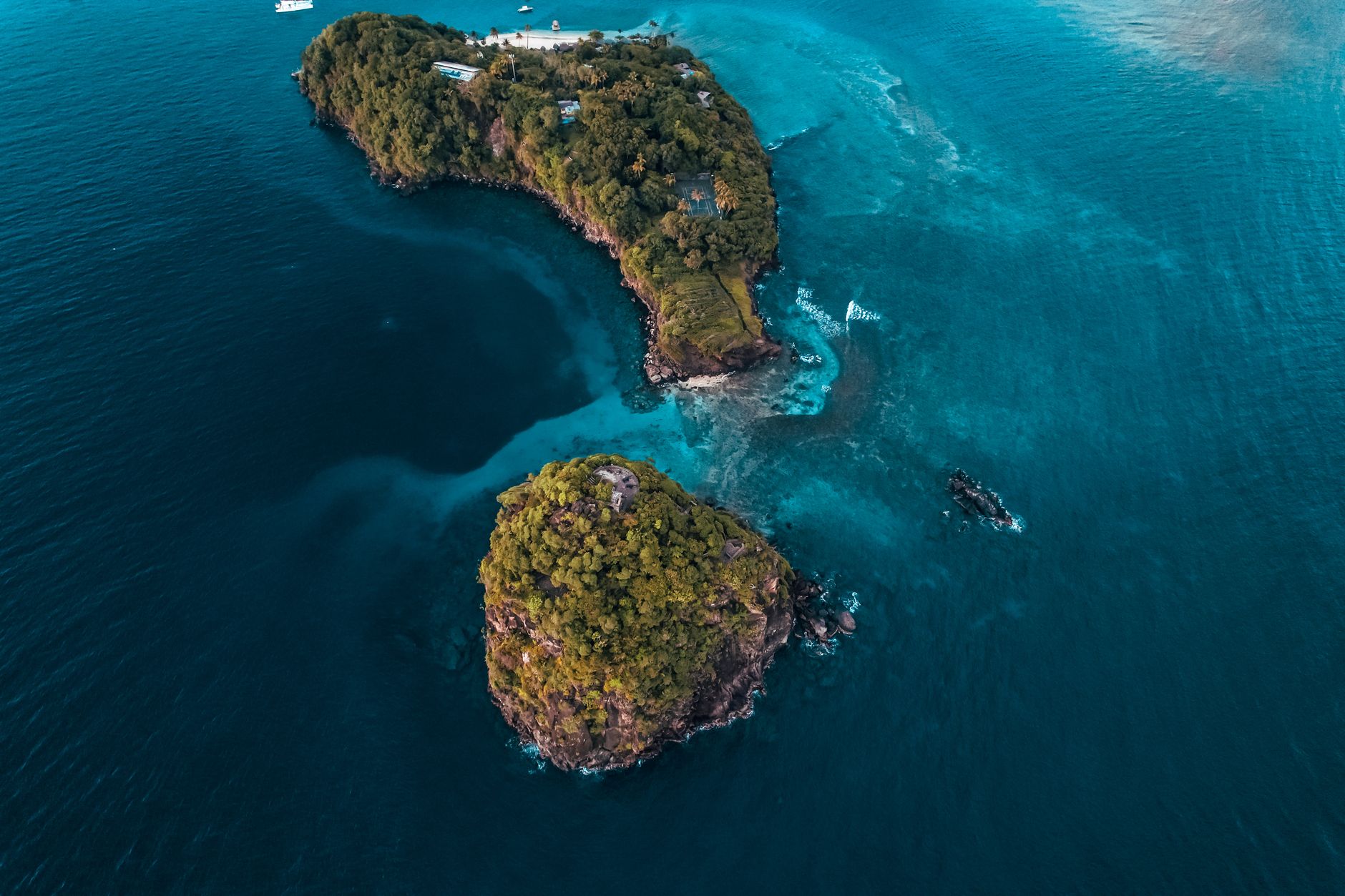
Saint Lucia ranks among the top Caribbean destinations for couples and honeymooners. The island's natural beauty creates romantic settings everywhere. Sunset viewing from the Pitons rivals any experience in the world. Couples find privacy and intimacy on quieter beaches away from crowded resorts.
Luxury resorts cater specifically to couples seeking romance and pampering. Properties feature couples' spa treatments, private beach access, and fine dining. Many resorts offer sunset catamaran cruises with champagne and gourmet meals. Private villas provide ultimate privacy and personalized service.
Dinner on the beach becomes an unforgettable experience at several locations. Resorts and restaurants arrange private setups with candles, flowers, and fresh seafood. Local musicians often perform during meals. The combination creates perfect romantic atmospheres.
Couples enjoy exploring the island together through shared adventures. Snorkeling as a pair builds connection and excitement. Hiking to scenic viewpoints offers moments of natural beauty and togetherness. Cooking classes teach couples to prepare local Creole dishes together.
Romantic Activities and Experiences
Spa treatments offer relaxation for tired couples after activity-filled days. Local spas feature treatments using Caribbean ingredients like coconut and cocoa. Couples' massage treatments happen side-by-side in peaceful settings. Steam rooms and natural hot springs provide additional relaxation.
Sunset sailing excursions depart from Rodney Bay and Castries regularly. Couples enjoy quiet moments on the water as the sun sets. Many tours include drinks and light snacks. The gentle rocking of boats soothes and relaxes travelers.
Diamond Falls and nearby gardens provide romantic walking experiences. The mineral-rich water glowing in afternoon light creates magical moments. Botanical gardens feature secluded benches for quiet conversation and reflection.
Romantic Resorts and Dining
Anse Chastanet Resort sits directly on a beach below the Pitons. The property features rustic elegance with modern amenities. Treehouses overlook the ocean and jungle simultaneously. The on-site restaurant serves fresh seafood and Creole cuisine with ocean views.
Jade Mountain Resort takes luxury to another level with infinity pools and private sanctuaries. Each room features an open design with stunning views. The resort provides personalized service and memorable experiences.
Fine dining restaurants throughout the island cater to couples seeking special meals. Dasheene restaurant at Ladera offers elevated Creole cuisine with Piton views. Cellar Restaurant in Castries provides intimate European and Caribbean fusion dining. Advance reservations ensure availability and special touches for celebrations.
PRO TIP: Book sunset dining experiences in advance. Popular restaurants fill quickly during peak season. Resorts often arrange special occasions like anniversaries with complimentary champagne or desserts.
Saint Lucia for Solo Travelers
Best forbudget travelersadventure seekersindependent explorers
Solo travelers find Saint Lucia safe, manageable, and rewarding. The island's compact size makes navigation easy without a car. Public transportation via minibuses reaches most areas affordably. Locals generally welcome solo travelers and offer helpful directions and recommendations.
Guesthouses and budget hotels provide affordable accommodation options. Many properties encourage mingling through common areas and organized activities. Hostels occasionally host group dinners or tours, creating opportunities to meet other travelers. These social settings ease solo travel loneliness.
Budget travelers enjoy the island without excessive spending. Public beaches cost nothing to visit. Hiking trails remain free or charge minimal entrance fees. Local restaurants serve generous portions of authentic Creole food at reasonable prices. Markets offer fresh fruits and snacks cheaply.
Solo travelers appreciate the island's walkability in main areas. Castries town center contains shops, restaurants, and services within walking distance. Rodney Bay area offers a similar compact layout. This reduces transportation needs and costs.
Solo Travel Safety and Practicalities
Saint Lucia generally ranks as safe for tourists following basic precautions. Avoid walking alone late at night in isolated areas. Stay in well-traveled neighborhoods, especially in Castries and Rodney Bay. Taxis operate throughout the island with set rates between major areas.
Minibuses provide cheap transportation between towns. Pick up minibuses at main transportation hubs in Castries and major towns. Always agree on fares before boarding or use fixed route minibuses. Drivers accept only cash, so carry local currency.
Travel insurance provides peace of mind for solo travelers. Medical facilities exist in Castries and major towns. Private hospitals offer good care but charge higher prices than public facilities. Travel insurance covers unexpected medical expenses.
Solo-Friendly Activities and Socializing
Organized tours connect solo travelers with others and local guides. Diving trips accept solo divers regularly. Group snorkeling tours work well for meeting other travelers. Cooking classes provide cultural immersion and social opportunities.
Volunteer opportunities exist in environmental and community projects. Organizations like the Saint Lucia National Trust seek short-term volunteers. This provides meaningful experiences and connections with locals.
Evening socializing happens naturally at beachfront bars and restaurants. Local happy hours attract tourists and residents alike. Pool bars at guesthouses encourage mingling. Beach volleyball and pickup sports welcome solo participants.
Best Time To Visit Saint Lucia
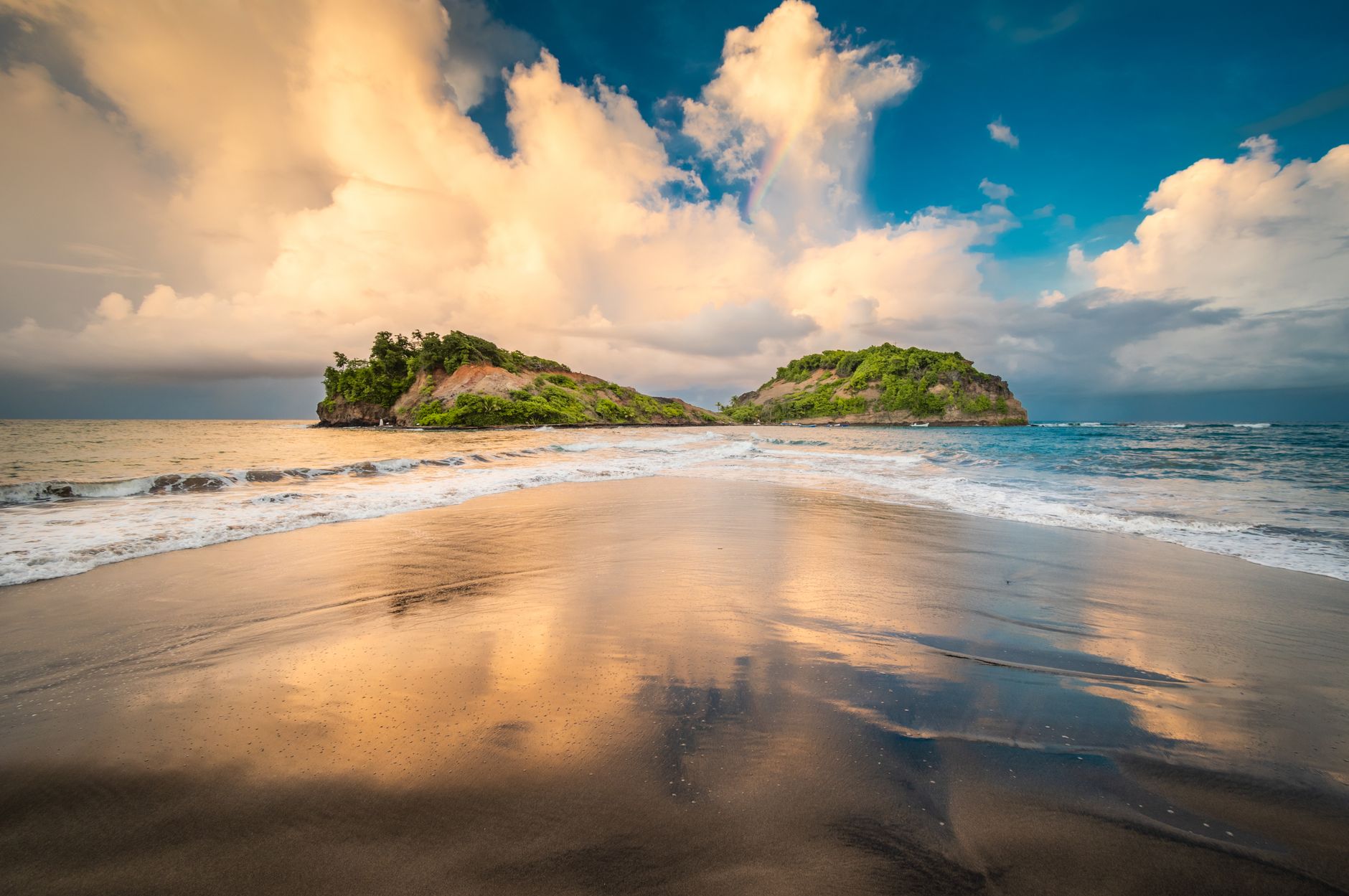
The best months to visit Saint Lucia are December through May. These months offer the driest weather and most comfortable temperatures. Humidity remains lower than other months. Trade winds keep temperatures moderate and pleasant.
December through February attracts the most visitors due to winter escape from cold climates. Hotels charge peak season rates. Beaches get crowded during this period. Book accommodations well in advance for these months.
March through May offers nearly identical weather to December through February with fewer crowds. Hotels offer lower rates than peak season. This period provides excellent value for families and budget travelers. Many families prefer these months for school holiday travel.
Hurricane Season Considerations
Hurricane season runs from June through November. Saint Lucia rarely experiences direct hurricane hits compared to islands further north. The island sits south of the typical hurricane path. However, tropical storms and heavy rainfall can occur during this season.
June and November represent shoulder season months with lower rainfall and occasional hurricane risk. July through October presents higher rainfall and continued hurricane potential. Hotels offer significant discounts during these months. Travelers accepting the risks can save substantially on accommodations and activities.
The average temperature remains around 27.2°C year-round. Temperature variations matter less than rainfall patterns. Even during rainy season, sunshine follows quickly after brief showers.
PRO TIP: Visit in May for optimal conditions and value. Weather matches December through April but with lower prices and smaller crowds. This sweet spot period works perfectly for budget-conscious travelers.
Getting To Saint Lucia
Hewanorra International Airport serves as the main arrival point for international flights. The airport sits on the southern coast near Vieux Fort. Major Caribbean and North American airlines operate regular service to the airport. Direct flights depart from major U.S. cities like Miami, New York, and Los Angeles.
George F.L. Charles Airport near Castries handles smaller regional aircraft. Inter-island flights arrive here from neighboring Caribbean islands. This airport works better for visitors coming from Barbados, Dominica, or Grenada. It sits much closer to Castries and northern resort areas.
Transportation From Airports
Taxis operate from both airports with fixed rates to main destinations. Negotiate fares before entering vehicles. Airport taxis cost significantly more than regular city taxis. A taxi from Hewanorra Airport to Castries costs roughly 65 to 75 East Caribbean dollars. Northern resorts cost 80 to 100 East Caribbean dollars.
Shuttle services connect airports to resorts at fixed rates. Many hotels arrange shuttle service for guests in advance. This proves cheaper than individual taxis and more convenient than public transportation with luggage. Budget 50 to 60 East Caribbean dollars per person for shuttle services.
Rental cars provide independence for exploring the island. International driving permits work in Saint Lucia with a valid home country license. Drive on the left side of roads. Roads range from excellent to poor depending on location. Mountain roads feature sharp turns and steep grades requiring careful driving.
Public minibuses offer the cheapest transportation option between towns. Minibuses operate on fixed routes with standard stopping points. Fares cost just a few East Caribbean dollars per ride. This method takes longer but provides authentic local experiences. Buses operate until early evening, so plan accordingly.
Visa and Entry Requirements
Most nationalities can enter Saint Lucia visa free for tourism purposes. Visitors receive automatic tourist status upon arrival for 42 days. No advance visa application is necessary. A valid passport valid for at least six months remains required.
Return flight confirmations help expedite entry processes. Immigration officers may ask to see proof of departure. Hotel reservations or accommodation confirmations demonstrate the purpose of your visit. Sufficient funds for your stay prove financial ability to support yourself.
Onward travel plans to other islands work fine. Ferry service connects to Dominica and Martinique. Some travelers come from neighboring islands and continue onward. Immigration accepts this common Caribbean travel pattern.
What To Bring
Pack light, breathable clothing for the tropical climate. Shorts, t-shirts, and sundresses keep you cool and comfortable. Bring a light rain jacket or umbrella for afternoon showers. Most of the year doesn't require heavy clothing.
Sun protection proves essential on the island. Pack high SPF sunscreen and reapply regularly. A wide-brimmed hat and sunglasses protect your face and eyes. The sun at this latitude burns quickly without protection.
Water shoes or sandals work better than bare feet on beaches. Volcanic rock and sea urchins can cause injury. Sturdy hiking shoes suit the mountainous terrain. Local stores sell basic necessities if you forget items.
Reef-safe sunscreen protects both your skin and marine ecosystems. Many areas restrict sunscreen chemicals that damage coral. Ask your accommodation about sunscreen recommendations for local beaches.
Frequently Asked Questions

Is Saint Lucia Safe for Tourists?
Saint Lucia remains generally safe for tourists who exercise common sense precautions. Violent crime rarely affects visitors in tourist areas. Avoid displaying expensive jewelry, cameras, or large amounts of cash. Stay in well-lit populated areas and use registered taxis. Petty theft in crowded markets requires attention to belongings. The island welcomes thousands of visitors annually who have trouble-free stays.
What Is the Local Currency and How Do I Exchange Money?
The East Caribbean dollar (XCD) serves as the official currency. Exchange rates remain fixed at approximately 2.70 XCD to one U.S. dollar. ATMs accept major debit and credit cards throughout the island. Banks exchange currency during business hours. Hotels exchange money but offer less favorable rates. Bring some U.S. dollars for emergencies if you travel outside main areas.
Can I Drink the Tap Water in Saint Lucia?
Tap water throughout Saint Lucia is safe to drink. The government maintains water quality standards in main areas. Resorts and guesthouses provide clean drinking water. Bottled water remains available if you prefer it. Some hikers in remote areas bring water purification tablets. Ice in drinks comes from treated water sources and remains safe.
What Language Do People Speak in Saint Lucia?
English is the official language and widely spoken throughout the island. You will have no communication barriers as an English speaker. Many locals also speak Saint Lucian Creole French in daily conversation. Learning basic Creole phrases enhances interactions with locals. French works as a second language for some older residents. Tourism infrastructure operates entirely in English.
What Is the Best Way To Get Around the Island Without a Car?
Public minibuses provide cheap and effective island transportation. Fixed routes connect major towns with standard stops. Taxis operate throughout the island at regulated rates. Negotiate fares before riding unmetered taxis. Organized tours from resorts reach main attractions with guides. Ferry services connect to neighboring islands. Walking works well in town centers of Castries and Rodney Bay.
Related Pages on Saint Lucia
Islands Near Saint Lucia


