
Last updated:
Saint Lucia offers vibrant Saint Lucia markets where you can experience authentic island culture. Local vendors sell everything from tropical fruits to handmade crafts. Whether you seek fresh produce or unique souvenirs, the markets reflect the island's rich heritage. Shopping here supports local businesses and connects you with genuine Caribbean traditions. The island's 180,000 residents create a welcoming atmosphere for visitors exploring these bustling trading spaces. Markets operate year-round, though the best shopping months align with the dry season from December to May.
Best Markets in Saint Lucia
The Castries Market stands as the most iconic shopping destination in Saint Lucia. Located in downtown Castries, this historic market operates since colonial times. The market occupies a covered building with multiple levels. Vendors sell produce, spices, clothing, crafts, and household items. Saturday mornings bring the largest crowds and widest selection. The market's energy and authentic atmosphere make it unmissable for visitors. You'll hear a mix of English and Saint Lucian Creole French among shoppers and vendors.
Arrive early in the morning for the freshest selection and best bargains. The market typically opens by 6:00 AM on weekdays and opens even earlier on Saturdays. Bring cash, as most vendors don't accept cards. The covered structure protects you from sun and rain. Wear comfortable shoes because navigating the crowded aisles requires steady walking. Keep valuables secure in a front pocket or money belt.
The Vieux Fort Market serves the southern region of the island. This market operates in a dedicated building near the waterfront. Local farmers bring produce from the Vieux Fort area. You'll find fewer tourists here than at Castries Market. The atmosphere feels more relaxed and local. Shopping here supports farmers from the south directly.
Local Food Markets in Saint Lucia

Saint Lucia's food markets showcase the island's agricultural bounty. Fresh tropical fruits dominate the produce sections year-round. You'll find mangoes, papayas, avocados, breadfruit, and plantains. Local vendors also sell dasheen, christophine, and green bananas. The fish markets offer fresh catches from the surrounding Caribbean waters. Lobster, mahi-mahi, and red snapper appear regularly depending on the season.
The Castries Market's produce section occupies the ground level. Vendors arrange colorful fruits and vegetables in neat piles. You can bargain with most sellers, especially if buying multiple items. Don't hesitate to ask vendors for cooking recommendations. Many speak English and enjoy sharing traditional preparation methods. The market sells fresh herbs like cilantro, thyme, and culinary plants.
Spice vendors operate small stalls throughout the markets. You can purchase nutmeg, mace, cinnamon, cloves, and local blends. Saint Lucia grows much of its own spice production. Buying spices here costs less than importing them to your home country. Smell the spices before purchasing to ensure freshness and quality.
PRO TIP: Visit the market early Saturday morning between 6:00 AM and 9:00 AM. You'll encounter the largest selection, best prices, and most authentic market experience. Bring reusable bags to carry your purchases. Always ask prices before selecting items, as negotiation is common practice.
Craft and Souvenir Shopping
The Craft Center located near the Castries Waterfront specializes in local handmade goods. Local artisans create wood carvings, jewelry, and decorative items. You'll find baskets woven from local materials and hand-painted artwork. The Craft Center supports Saint Lucian artists directly. Prices are fair and set by the artists themselves. The building offers air conditioning and organized shopping layout compared to traditional markets.
Diamond Falls Botanical Gardens near Soufrière includes a gift shop with local crafts. The shop features items created by Saint Lucian artisans. You can visit the gardens first, then browse the gift selection. The combination makes a full afternoon activity. Proceeds benefit the gardens and local communities. Located near the iconic Piton mountains, this spot combines nature with shopping.
Morne Fortune Lookout in Castries offers small craft vendors and souvenir shops. The viewpoint attracts tourists wanting photos of the harbor. Local vendors sell crafts, clothing, and souvenirs. You get shopping combined with spectacular views. The hilltop location makes it an easy stop while exploring Castries. Multiple vendors create friendly competition, which often leads to better prices.
Where To Buy Local Products

The Gablewoods Mall in Castries offers modern shopping with local vendors. You'll find stores selling local cocoa products, spices, and foods. The mall combines international chains with Saint Lucian businesses. Air conditioning and organized layout appeal to travelers preferring comfort. Parking is available, making it easier if you're renting a car. The mall stays open later than traditional markets, useful if you shop in afternoons.
Local supermarkets like Massy Stores sell packaged Saint Lucian products. You can purchase local cocoa, hot sauce, preserves, and snacks. These items make excellent gifts to bring home. Supermarkets accept credit cards, unlike many market vendors. They maintain consistent hours and predictable pricing. Locations throughout the island make them convenient stops during your travels.
Beach vendors and waterfront shops sell tourist-oriented goods. Quality varies significantly among these sellers. Negotiate prices, especially for multiple items. Some beach vendors work with resorts, offering convenience but higher prices. Shopping directly at markets yields better prices than resort gift shops. Support independent vendors rather than large chains when possible.
Colonial architectural buildings in Pigeon Island National Park house gift shops. The park offers history combined with shopping opportunities. Vendors sell craft items, books about Saint Lucia, and local products. Entry to the park allows access to the shops. The coastal location provides beautiful scenery while you browse.
PRO TIP: Bring small bills in East Caribbean dollars to markets. Vendors give better prices for cash payments. Many won't accept credit cards or foreign currency at good exchange rates. Visit supermarkets to exchange US dollars for local currency at fair rates. Keep receipts if you buy expensive craft items for customs purposes.
Specific Shopping Areas by Region
Castries, the capital, has the most markets and shops. The downtown area clusters most shopping destinations. You can walk between the market, Craft Center, and Waterfront shops easily. Street parking exists, though paying parking lots offer security. Stay aware of surroundings, especially in evening hours. Daytime shopping is safest and most enjoyable.
Rodney Bay Village offers upscale shopping and dining. Boutiques sell clothing, jewelry, and souvenirs. The shopping precinct feels modern and tourist-oriented. Prices reflect the upscale location. You'll find international brands alongside local vendors. The area has good restaurants for breaks between shopping sessions.
Soufrière in the south provides access to the Diamond Falls gift shop. This small town retains authentic character. Local women sell produce and crafts near the waterfront. The Piton views create a picturesque setting for shopping. Come during daylight hours and use official taxis for transportation.
Shopping Hours and Tips
Market hours vary by location and day of week. The Castries Market opens by 6:00 AM on weekdays and 5:00 AM on Saturdays. Most weekday markets close by 4:00 PM. Saturday markets stay open longer, typically until 5:00 PM or 6:00 PM. Sunday hours are limited, with many vendors not working. Plan your market visits for weekday mornings or Saturday.
Supermarkets and modern shops operate regular hours. Most open between 8:00 AM and 9:00 AM. Closing times range from 6:00 PM to 8:00 PM on weekdays. Saturday hours are similar to weekdays. Sunday hours vary, with some shops closed entirely. Call ahead if you need specific opening times.
Bargaining is expected at markets but not at supermarkets. Start at 70 to 80 percent of the asking price. Vendors expect negotiation as part of shopping culture. Be respectful and friendly during negotiations. Buying multiple items increases your bargaining power. Avoid bargaining if you're uncomfortable, as prices are usually reasonable already.
Payment methods differ between locations. Markets primarily accept cash only. Bring local currency for best results. Supermarkets and modern shops accept credit cards and debit cards. ATMs exist throughout Castries, Rodney Bay, and major towns. Withdraw cash during business hours at banks or supermarket ATMs.
What to bring when shopping includes comfortable shoes, reusable bags, sunscreen, and water. Markets get very crowded, especially on Saturdays. Wear lightweight, breathable clothing appropriate for tropical weather. The average temperature stays around 27.2°C year-round. Bring a hat or cap for sun protection. Stay hydrated while navigating markets, as they can be physically demanding.
Safety tips include staying aware of surroundings and not displaying expensive items. Keep bags and wallets secure. Avoid flashing large amounts of cash. Visit markets during daylight hours, preferably morning. Stick to popular tourist areas when shopping. If using taxis, ask your accommodation for recommended drivers. Travel with friends or groups when possible.
What To Buy in Saint Lucia
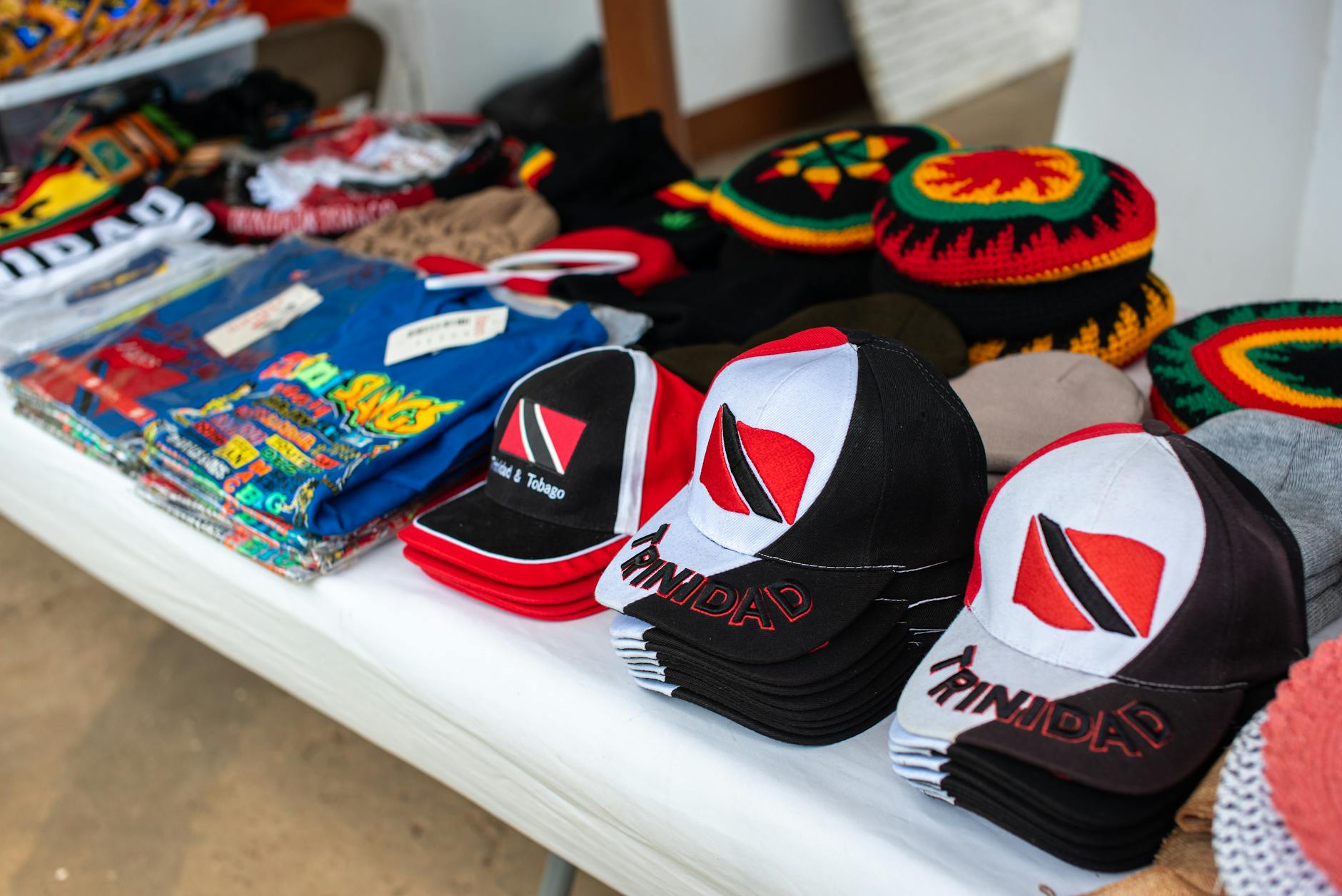
Cocoa products make excellent gifts from Saint Lucia. Local producers create chocolate from island-grown cacao beans. You'll find cocoa powder, chocolate bars, and cocoa nibs at markets and shops. The island has a proud cocoa heritage dating back centuries. Quality varies, so sample before buying larger quantities. Dark chocolate with high cocoa percentages represents the best value and taste.
Spices represent another essential Saint Lucia purchase. The island produces high-quality nutmeg, mace, cinnamon, and cloves. Spice blends created locally make convenient gifts. Whole spices retain flavor better than pre-ground options. Buy at markets where spices cost less than specialty shops. Small quantities work well for travelers with limited luggage space.
Local art and wooden crafts showcase Saint Lucian creativity. Hand-carved items feature island themes like coconuts, boats, and sea life. Local artists create paintings, masks, and sculptures. Prices range from affordable small items to expensive statement pieces. Buy directly from artists at markets or the Craft Center for best value. Ask about artists' stories, as many have interesting backgrounds.
Textiles and clothing with local designs represent authentic purchases. You'll find shirts, dresses, and wraps featuring Caribbean patterns. Local designers create unique items not found elsewhere. The Craft Center and markets have the best selection. Clothing makes practical gifts that recipients actually wear. Sizes vary, so try items before purchasing.
Local foods and beverages include hot sauces, jams, and spirits. Saint Lucian rum represents a popular souvenir. Local hot sauces made from Caribbean peppers add flavor to meals. Jams and preserves made from tropical fruits offer authentic tastes. These items easily fit in luggage and comply with customs regulations. Give bottles extra padding to prevent breakage during travel.
Jewelry made from local materials includes pieces using Caribbean shells and stones. Local artisans create beautiful earrings, necklaces, and bracelets. Prices are usually reasonable compared to jewelry shops. Handmade items carry unique character. Ask vendors about materials and construction before purchasing.
Woven baskets and mats made from natural fibers show traditional crafts. Local artisans use native materials for weaving. These items are lightweight and easy to pack. Each piece is unique due to hand production. Support basket makers by purchasing directly at markets.
PRO TIP: Buy spices and cocoa in the morning when vendors have the largest selection. These items are lightweight, making them ideal souvenirs. Ask vendors to teach you local recipes using their products. Many vendors are happy to share cooking tips. Video their explanations on your phone for reference at home. This adds memories beyond just physical products.
Frequently Asked Questions
Is Bargaining Acceptable at Saint Lucia Markets?
Yes, bargaining is expected and welcomed at traditional markets, especially the Castries Market. Vendors anticipate negotiation as part of the shopping culture. Start at approximately 70 to 80 percent of the asking price and work upward. Be friendly and respectful during negotiations. Buying multiple items increases your bargaining power significantly. However, supermarkets and modern shops have fixed prices where bargaining doesn't apply. Always approach negotiation with good humor and patience for the best experience and fair prices.
What Currency Should I Use for Market Shopping?
Use East Caribbean dollars (XCD) at markets, as most vendors don't accept credit cards or foreign currency. Bring cash withdrawn from ATMs at banks or supermarkets in Castries and major towns. Markets operate primarily on cash only transactions. You can exchange US dollars at supermarkets and banks, though direct exchange rates may not be optimal. Withdraw reasonable amounts to avoid security risks from carrying large sums. Keep small bills for easier transactions and change-making during bargaining at markets throughout Saint Lucia.
When Is the Best Time To Visit Markets in Saint Lucia?
Saturday mornings between 6:00 AM and 9:00 AM offer the largest selection and most authentic market experience. Weekday mornings are less crowded but have slightly smaller selections. The dry season from December through May provides the most pleasant shopping weather. Avoid rainy season months of June through November when afternoon thunderstorms occur frequently. Sunday shopping is limited, as many vendors don't work. Weekday mornings offer a good balance between crowd size and product availability for most travelers.
Can I Find Items at Markets That Aren't Sold in Tourist Shops?
Absolutely, traditional markets offer unique items and better prices than tourist-oriented shops. Vendors sell authentic local crafts, spices, produce, and foods rarely found in commercial shops. Market prices reflect true local value rather than tourist markups. You'll discover handmade items directly from artisans, ensuring authenticity. Shopping at markets supports local communities more directly than resort gift shops. The variety and authenticity found in markets make them ideal for travelers wanting genuine Saint Lucia experiences and souvenirs with real cultural significance.
Is It Safe To Shop Alone at Saint Lucia Markets?
Shopping alone during daylight hours, especially mornings, is generally safe at major markets like Castries. Stay aware of surroundings and keep valuables secure in front pockets or money belts. Avoid displaying large amounts of cash or expensive items. Visit popular tourist-friendly markets rather than remote locations. If uncomfortable, travel with friends or join organized market tours. Use official taxis recommended by your accommodation for transportation. Stay in well-populated areas and avoid evening shopping when crowds decrease, making markets less safe.