
Last updated:
Saint Lucia Food &Amp; Dining: an Island Culinary Experience
Saint Lucia food dining represents a beautiful blend of Caribbean traditions and French influences. Located in the Lesser Antilles at coordinates 13.9094, -60.9789, this island of 617 square kilometers offers incredible flavors. The 180,000 residents speak English and Saint Lucian Creole French. They preserve centuries of cooking traditions. Fresh seafood, tropical fruits, and aromatic spices define the local cuisine. You'll discover dishes passed down through generations.
The island's position in the Caribbean shaped its food culture. Fishing communities provided abundant seafood. Local farmers grow plantains, breadfruit, and mangoes. Sugar cane, cocoa, and spices grow throughout the island. French and African influences blend throughout Saint Lucia's kitchens. Colonial history brought new cooking techniques and ingredients. Today, chefs honor these traditions while creating modern dishes.
Saint Lucia food dining appeals to all travelers. Budget visitors find delicious meals at street stalls. Foodies explore innovative restaurants by talented chefs. Families enjoy casual spots with familiar and adventurous options. The island welcomes visitors during the best months from December through May. Average temperatures of 27.2°C make dining outdoors comfortable year-round.
Local Food in Saint Lucia You Must Try
Saltfish and green fig represents the national dish of Saint Lucia. Locals prepare salted cod with boiled green bananas and figs. The combination creates a hearty, satisfying meal. Vendors serve this dish throughout the island. You'll find it at breakfast time in markets and homes. The flavors reflect African and European cooking traditions. Try this dish early in your visit.
Callaloo soup appears on nearly every restaurant menu. Chefs make this green soup from leafy greens and coconut milk. They add onions, garlic, and fresh herbs. Some versions include crab or shrimp. The soup tastes creamy and deeply flavored. It's perfect as a starter course. Many families prepare this soup for Sunday dinners.
Fish cakes are iconic street food throughout Saint Lucia. Vendors fry spiced fish mixed into corn flour batter. The result is a golden, crispy exterior with tender fish inside. People eat them as snacks or light meals. A squeeze of lime and hot sauce brings them alive. You'll find fish cakes at markets and beach stalls.
Breadfruit becomes the star in many Saint Lucian dishes. This starchy fruit grows abundantly on the island. Cooks prepare it roasted, fried, or boiled. It pairs well with fish, chicken, and vegetables. Breadfruit chips taste like potato chips but with unique flavor. The fruit appears in breakfast dishes and dinner entrees.
Macaroni pie is comfort food in Saint Lucia. Locals serve creamy, cheesy pasta at family gatherings. The dish combines pasta, cheese sauce, and breadcrumbs. Some versions include ham or bacon. Restaurants often feature this Caribbean version of mac and cheese. It's familiar yet distinctly Saint Lucian.
Peppered chicken brings bold flavors to the island. Cooks marinate chicken in hot peppers, garlic, and spices. They cook it until tender and flavorful. The result is spicy, aromatic, and deeply satisfying. Fresh scotch bonnet peppers give authentic heat. Rice and beans often accompany this dish.
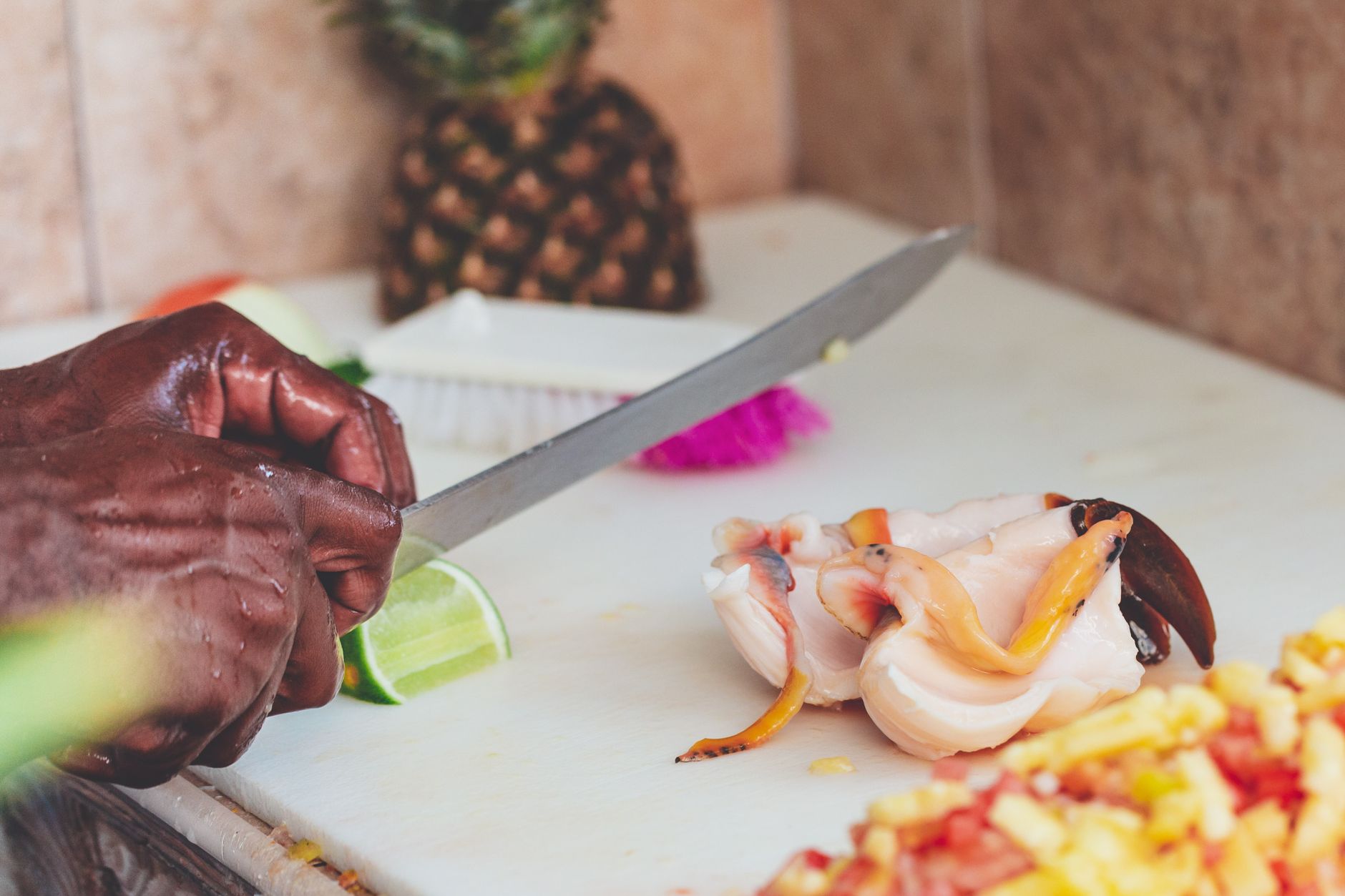
Lambi is conch prepared in various ways. Local chefs grind conch into fritters or steep it in rich sauces. The texture becomes tender through slow cooking. Lambi carries cultural significance in Caribbean cooking. It's expensive and considered a delicacy. Restaurants serve it at dinner time.
PRO TIP: Visit local markets early morning to find the freshest ingredients. Wednesday and Saturday mornings bring the most vendors to Castries Market. Arrive before 10 AM for the widest selection of produce, spices, and fresh fish.
Best Restaurants in Saint Lucia
Bouton Blanc in Morne Fortune offers panoramic island views with creative cuisine. The restaurant sits high above Castries with stunning vistas. Chef Marie Mott creates dishes using local ingredients. The menu changes seasonally based on available produce. Reservations are essential during peak season. The setting makes every meal memorable. Dress nicely for this special dining experience.
Chez Mickaël in Soufrière specializes in fresh seafood and Caribbean flavors. The casual beachfront atmosphere welcomes all visitors. The chef sources fish daily from local boats. Prepare simple dishes with bold spice blends. Grilled whole snapper is a specialty. Arrive early for the best seating overlooking the ocean. This restaurant captures authentic Saint Lucia dining.
The Coal Pot in Pitons sits near the iconic twin mountains. This charming restaurant offers fresh fish and Creole cuisine. The intimate setting suits couples and small groups. Large windows frame views of the Pitons. The chef focuses on traditional preparations. Mahi-mahi and lobster are frequently featured. The atmosphere is relaxed and welcoming.
Tao in Rodney Bay brings Asian-Caribbean fusion to the island. The chef combines fresh seafood with Asian techniques. Creative presentations make each plate visually stunning. The bar serves excellent cocktails. Modern design creates a sophisticated vibe. This restaurant appeals to foodies seeking innovation. Reservations help ensure a table.
Big Chef Steakhouse in Rodney Bay serves excellent meat and seafood. The restaurant offers a wine list featuring Caribbean and international selections. Professional service and upscale decor create a special atmosphere. The chef prepares steaks to precise specifications. Fresh fish arrives daily from local waters. This spot suits celebrations and special occasions.
PRO TIP: Most restaurants in Saint Lucia accept reservations through their websites or phone calls. During December through May peak season, book 2 to 3 days ahead for popular spots. Many beachfront restaurants offer casual lunch but require dressing up for dinner.
Fine Dining in Saint Lucia

Saint Lucia's fine dining scene grows with talented chefs showcasing local ingredients. Many upscale restaurants cluster in Rodney Bay and Soufrière areas. Chefs train internationally but respect island culinary traditions. They source ingredients from local farmers and fishermen. Menus highlight seasonal availability rather than year-round consistency. Wine lists feature Caribbean, European, and South American selections.
Spice Island in Castries offers modern Caribbean cuisine in an elegant setting. The chef emphasizes presentation and flavor balance. Dishes showcase local produce in unexpected ways. The tasting menu allows exploration of multiple dishes. Service is attentive without being intrusive. The atmosphere suits romantic dinners. Plan several hours for this experience.
Jade Mountain Restaurant operates at the resort of the same name. Diners enjoy meals overlooking the iconic Pitons. The chef prepares French-influenced cuisine using Caribbean ingredients. Each private dining area offers complete privacy. The view becomes part of the culinary experience. This represents the island's most exclusive dining. Prices reflect the exceptional setting and service.
Lifeline Restaurant in Castries brings contemporary cooking to the capital. The chef creates innovative plates using traditional flavors. The wine list emphasizes natural and organic selections. Modern decor and soft lighting create elegance. This spot attracts locals and visitors seeking quality food. The menu changes regularly based on ingredient availability.
Fond Doux in Soufrière combines dining with a working plantation experience. Guests dine in an open-air setting on the property. The kitchen sources cacao, spices, and fruits from the grounds. Meals feel connected to the land. The rustic elegance appeals to foodies and nature lovers. This unique experience combines food and education.
Budget Eating in Saint Lucia
Street food in Saint Lucia offers excellent value and authentic flavors. You'll find vendors throughout Castries and coastal towns. Fish cakes cost just a few East Caribbean dollars. Lunch plates featuring rice, beans, and protein are inexpensive. Quality rivals expensive restaurants despite low prices. Shopping at these stalls connects you with locals.
Local markets offer prepared food and fresh ingredients for self-catering. Castries Market is the island's largest market. You can buy fresh fish, vegetables, and fruits daily. Many vendors prepare ready-to-eat dishes. Prices for ingredients are reasonable for Caribbean standards. Market prices fluctuate based on season and availability.
Roti shops appear in most towns on the island. These simple eateries serve curried chicken, vegetable, or fish inside flatbread. The wrapped roti is portable and satisfying. Prices remain budget-friendly for filling meals. Shrimp roti costs slightly more than chicken. These shops cater to locals and budget travelers alike.
Pizza joints and casual restaurants serve affordable meals throughout Saint Lucia. Casual spots near beaches offer sandwiches and wraps. Chicken restaurants serve grilled or fried poultry with sides. These eateries welcome families and solo travelers. Meals cost less than fine dining restaurants. Service is quick and portions are generous.
Guest houses often provide breakfast included in room rates. Many accommodations offer cooking facilities for budget travelers. Local grocery stores sell ingredients at reasonable prices. Eating lunch as your main meal is more affordable than dinner. Many restaurants offer lunch specials with lower prices.
Street Food and Local Markets
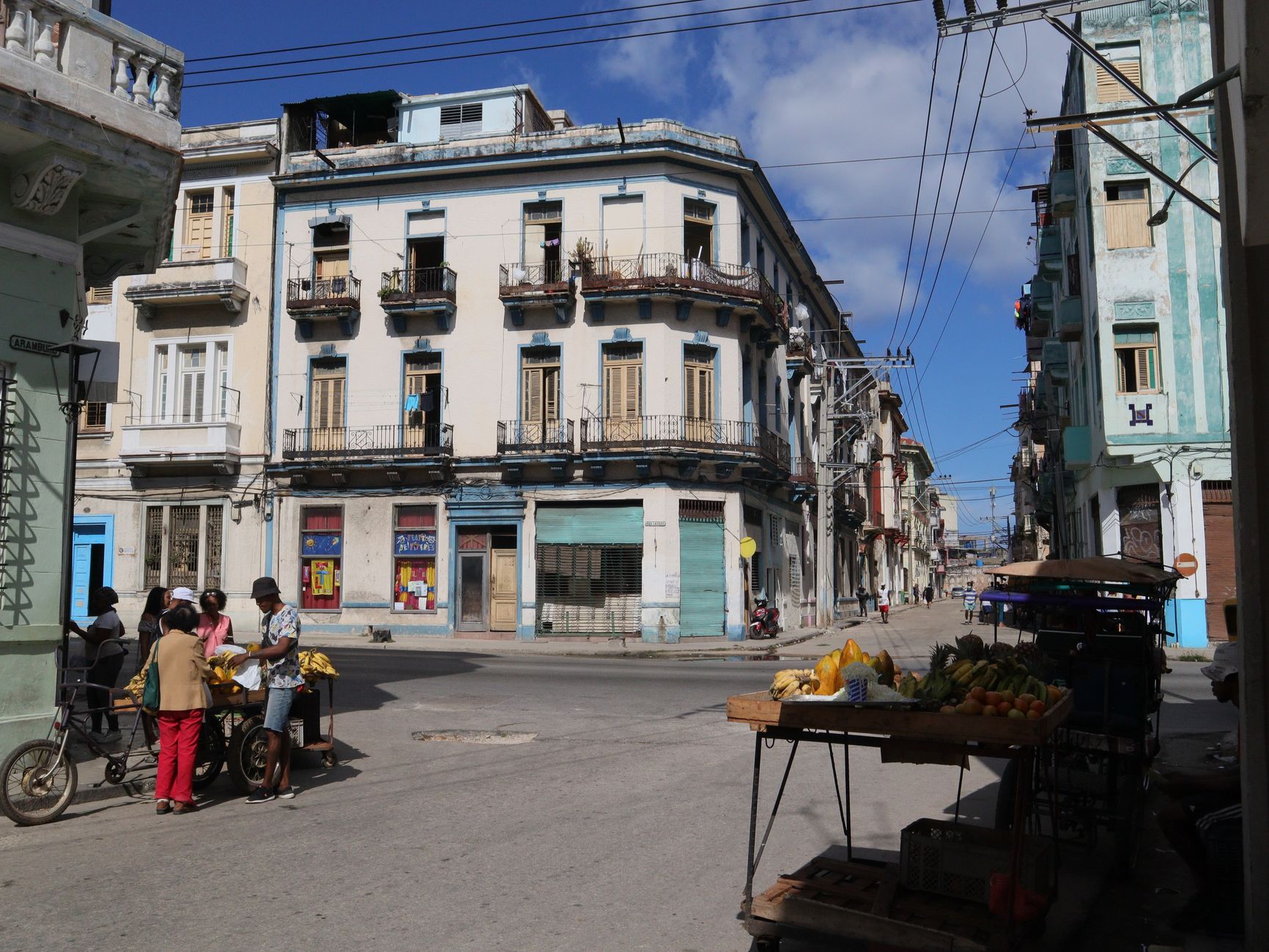
Castries Market is the heart of Saint Lucia's food culture. Located in downtown Castries, this colorful market operates daily. Wednesday and Saturday bring the most activity and selection. Vendors sell fresh produce, spices, fish, and prepared foods. The covered structure protects you from rain and sun. Arrive early for the freshest items. Cash in East Caribbean dollars is essential here.
Fish cakes are everywhere at markets and beach stalls. Street vendors fry these golden pockets of spiced fish throughout the day. A single fish cake costs just a few dollars. They're perfect snacks between meals. Squeeze fresh lime juice and add hot sauce for flavor. Queue forms at popular vendors during lunch time.
Accra bread, also called Johnny cakes, are fried cornmeal cakes. Vendors fry these golden rounds and serve them hot. They're sweet and satisfying as breakfast or snacks. Often paired with cheese or sardines. Prices are very low. Look for vendors in early morning at markets.
Banana and plantain chips are popular street snacks. Vendors slice fruit thin and fry until crispy. These homemade chips taste better than commercial versions. They're salty, savory, and addictive. Found at all main markets and some beach stalls. Bring them back to your accommodation.
Vendor stalls near Pigeon Island National Park serve fresh seafood. The park area attracts many food vendors. Grilled fish, shrimp, and lobster are available daily. Order and watch your meal cook. The beachside setting makes eating memorable. Prices are fair for the quality and location.
Gros Islet fish fry happens every Friday evening. Vendors set up along the street near the beach. Grilled fish, shrimp, and lobster cook fresh to order. The social atmosphere attracts locals and tourists alike. Live music and dancing continue late. This cultural experience blends food and community. Try multiple vendors to sample varieties.
Market vendors also sell spices, cocoa, and local honey. These make excellent souvenirs and gifts. Quality is often superior to imported versions. Vendors package items for travel. Buying directly supports local producers. Haggling is acceptable and expected at some stalls.
Food Allergies and Dietary Needs
Saint Lucia food dining accommodates most dietary requirements with advance planning. Seafood is abundant, making this difficult for those with allergies. Many dishes contain shellfish, fish, or fish sauce. Inform restaurants of allergies when making reservations. Upscale restaurants have better resources for special requests.
Vegetarian and vegan options exist but require communication. Many traditional dishes feature meat or fish. Fresh fruits and vegetables are plentiful year-round. Rice and beans dishes are often vegetarian. Ask restaurants about modifications to standard dishes. Markets offer abundant fresh produce for self-catering.
Gluten-free dining is possible but limited outside resort areas. Many local dishes use coconut or cassava flour naturally. Bread and baked goods contain wheat at most restaurants. Dedicated gluten-free restaurants don't exist on the island. Travelers with celiac disease should communicate clearly and often. High-end resorts understand dietary restrictions better.
Nut allergies require caution since many dishes include coconut milk. Coconut products appear in soups, curries, and desserts. Always specify nut allergies to restaurant staff. Peanut oil is sometimes used in cooking. Request to see ingredient lists when possible. Peanuts appear as snacks in markets and street stalls.
Dairy allergies can be managed with advance notice. Coconut milk replaces dairy in many traditional recipes. Upscale restaurants can substitute alternatives. Budget restaurants may have limited options. State allergies clearly to avoid misunderstandings. Many chefs understand English well enough for detailed requests.
Medications and supplements should be brought from home. Pharmacies stock limited options compared to developed nations. Prescription requirements vary from international standards. Consult your doctor before traveling about medical needs. Travel insurance should cover dietary issues if possible.
PRO TIP: Download translation apps for dietary restrictions in French Creole. Many older vendors and street cooks speak primarily Creole. Simple phrases for allergies help communicate clearly. Carry cards printed in both English and Creole with your dietary needs listed.
Frequently Asked Questions

What Is the Best Time To Visit Saint Lucia for Food Tours?
The best months for visiting are December through May when weather is dry and comfortable. Average temperatures hover around 27.2°C during these months. This peak season brings the freshest ingredients to markets. Local festivals often feature food celebrations during this period. Restaurants operate at full capacity with diverse menus. Hurricane season from June to November brings rain and can limit outdoor dining experiences. Food availability remains good year-round, but peak season offers the most options.
Are Restaurants in Saint Lucia Expensive?
Prices vary significantly by restaurant type and location. Fine dining in Rodney Bay and Soufrière areas costs more than Castries. Street food and market meals cost just a few East Caribbean dollars. Mid-range restaurants serve good meals at moderate prices. Resort restaurants typically charge more than independent establishments. Lunch specials offer better value than dinner prices. Budget travelers can eat well for 30 to 50 XCD daily. Foodies dining at top restaurants can spend 150 to 300 XCD per meal.
Can I Visit Castries Market As a Tourist?
Yes, tourists are welcome at Castries Market anytime. The market operates daily with peak activity on Wednesday and Saturday mornings. Arrive early for the freshest produce and widest selection. Bring cash in East Caribbean dollars, as most vendors don't accept cards. The market is crowded but organized despite appearing chaotic. Keep belongings secure in crowded areas. Market vendors are accustomed to tourists and many speak English. The market experience provides authentic cultural immersion and excellent food shopping opportunities.
What Is the National Dish of Saint Lucia?
Saltfish and green fig is the official national dish of Saint Lucia. This breakfast dish combines salted cod with boiled green bananas and figs. The preparation reflects African and European cooking traditions from colonial history. Locals serve this dish for special breakfasts and celebrations. You can find it at restaurants, markets, and in family homes. The dish tastes hearty and satisfying with subtle flavors. Despite being called the national dish, many modern Saint Lucians eat it occasionally rather than daily.
Is Tap Water Safe To Drink in Saint Lucia?
Tap water is generally safe to drink throughout Saint Lucia in developed areas. Castries and major towns have reliable water systems. Rural areas may have inconsistent water quality. Most hotels provide bottled water in rooms. Bottled water is available at all grocery stores. Tap water is cold and of good quality in most establishments. Many locals drink tap water without issues. Visitors with sensitive stomachs might prefer bottled water initially. Restaurants serve filtered or bottled water as standard.